
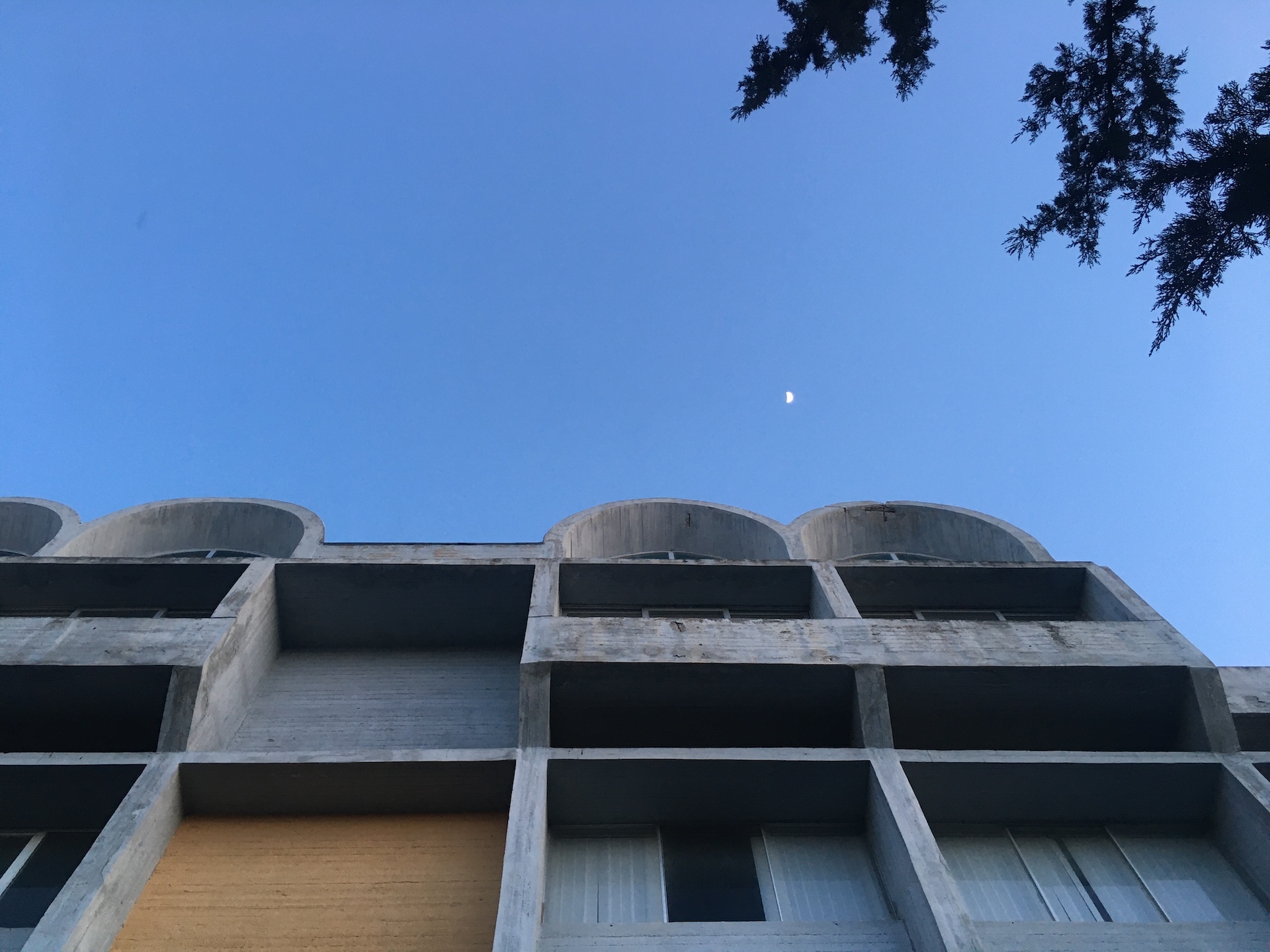
Technical Building Assessment for Fire Safety and MEP Design, School of Theology, National and Kapodistrian University of Athens
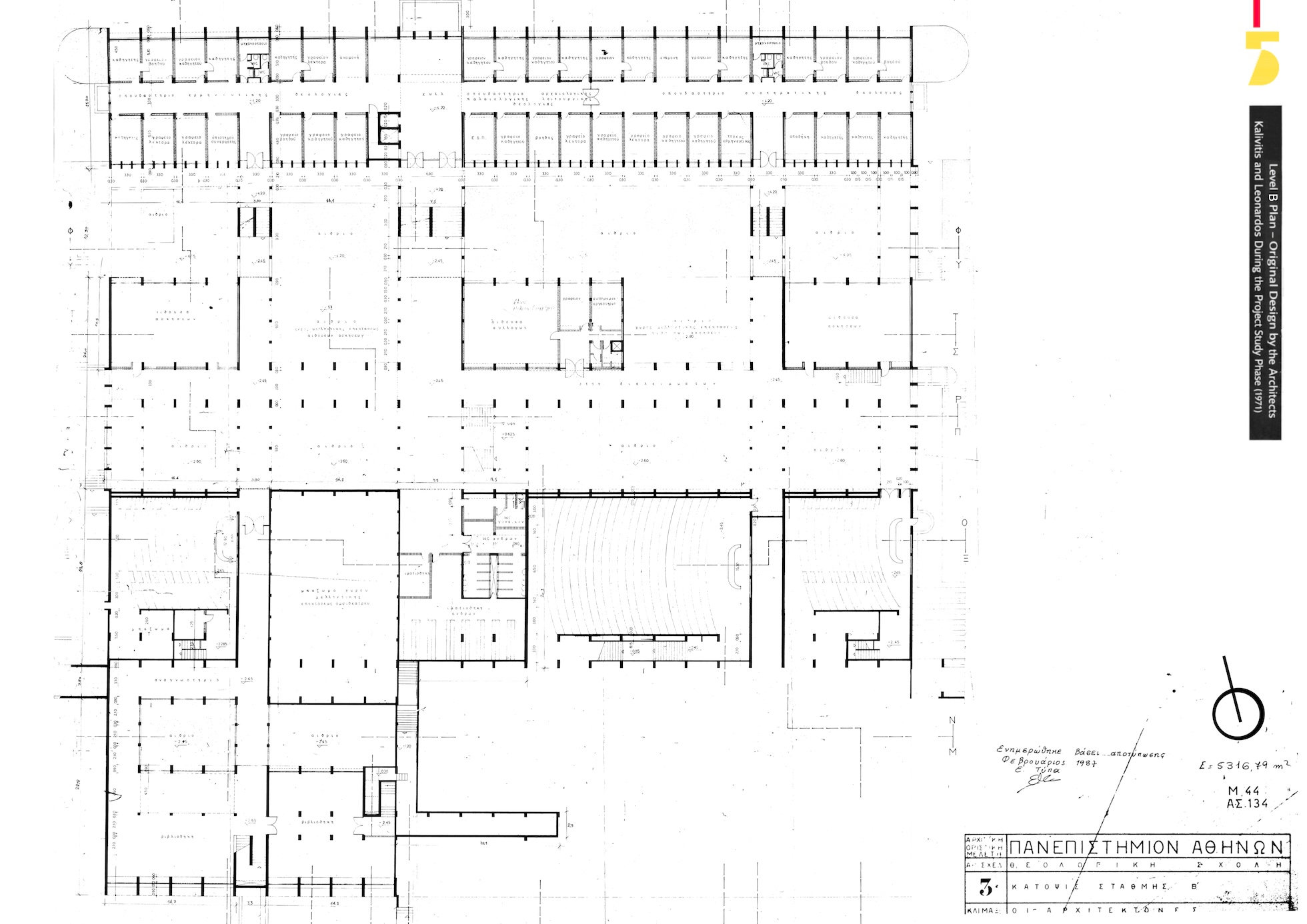
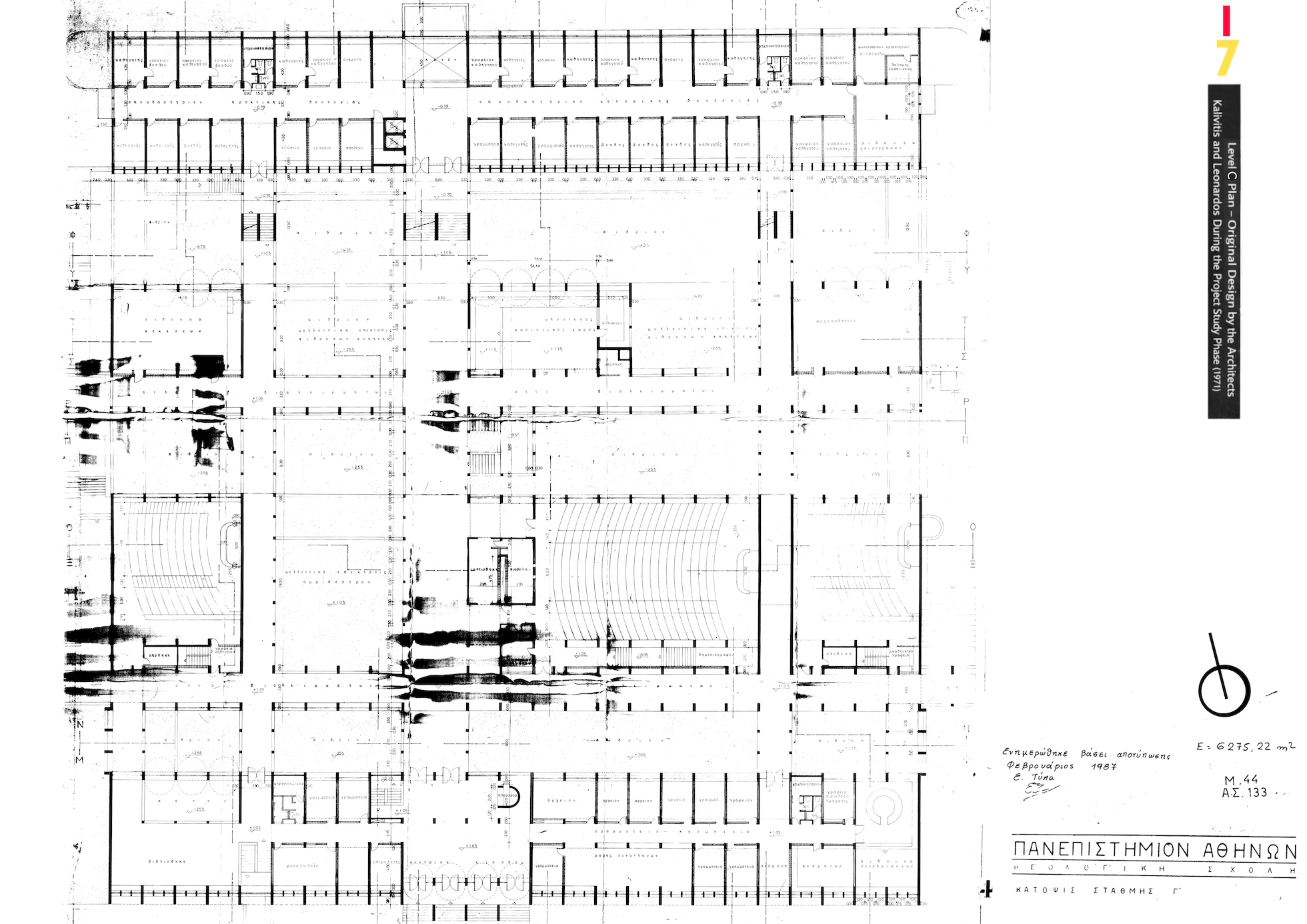
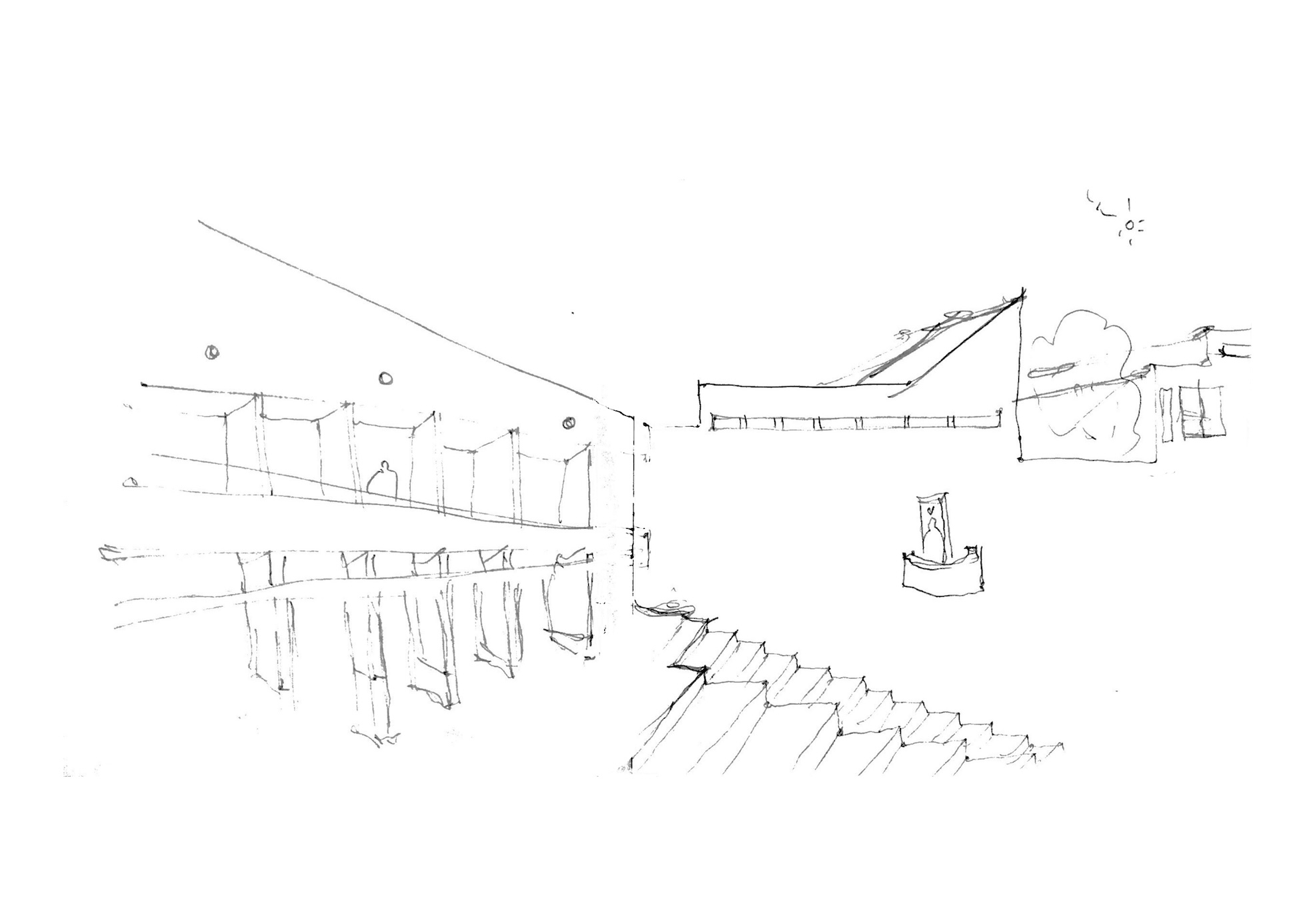
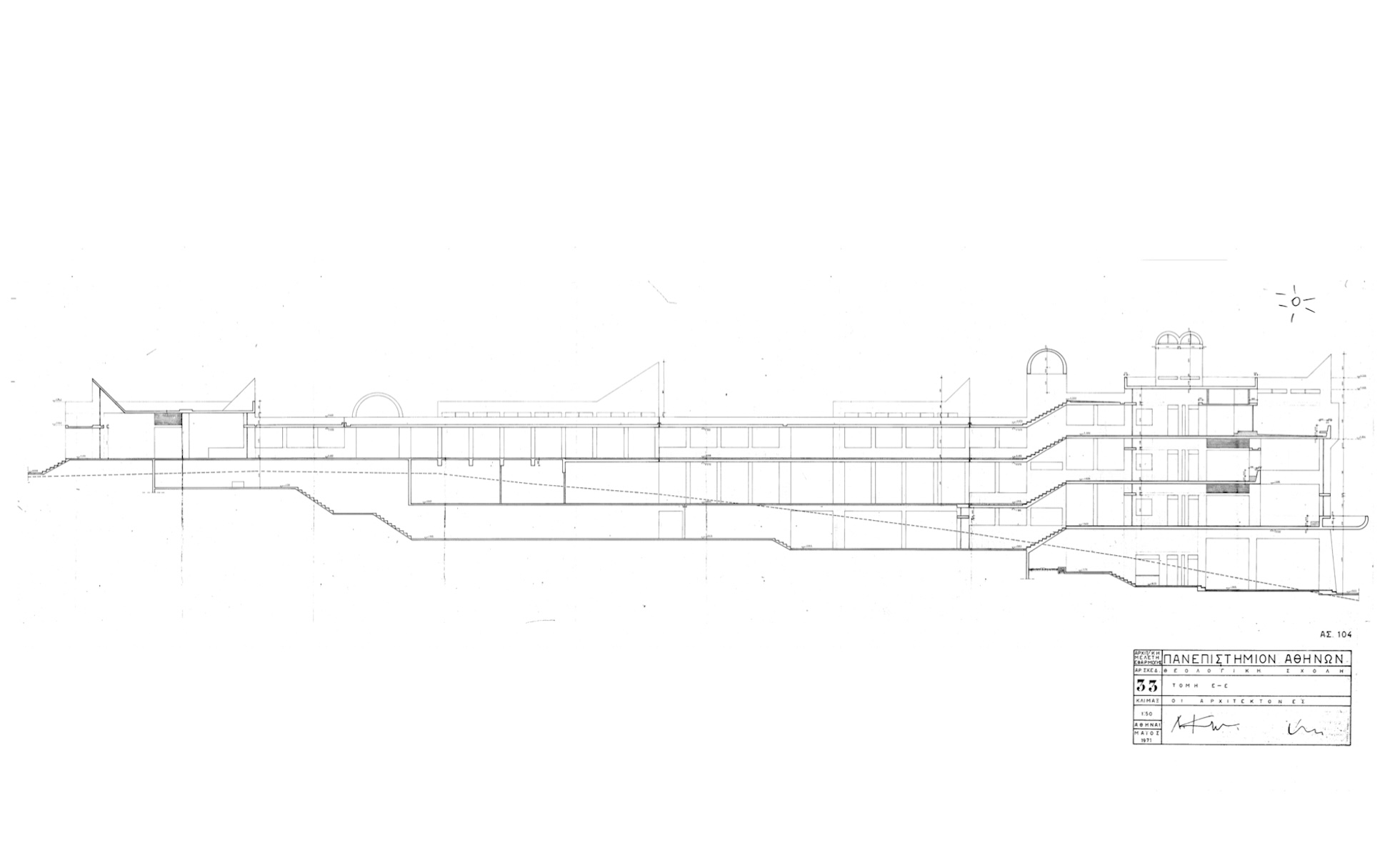
The building of the School of Theology of the National and Kapodistrian University of Athens stands as a significant example of post-war Greek modernism. Designed by architects George Leonardos and Lazaros Kalivitis, the project emerged from the institutional framework of architectural competitions of the 1960s, reflecting a rigorous design methodology combined with a strong symbolic intent. The complex is organized around a central volume, articulated by two conceptual poles—the church and the library—expressing the dual religious and academic identity of the School. Its architectural language synthesizes modernist principles with organic references to Byzantine and monastic traditions, while the final form evolved through a process of refinement that integrated functional elements such as domes and semi-domes with structural and environmental logic.
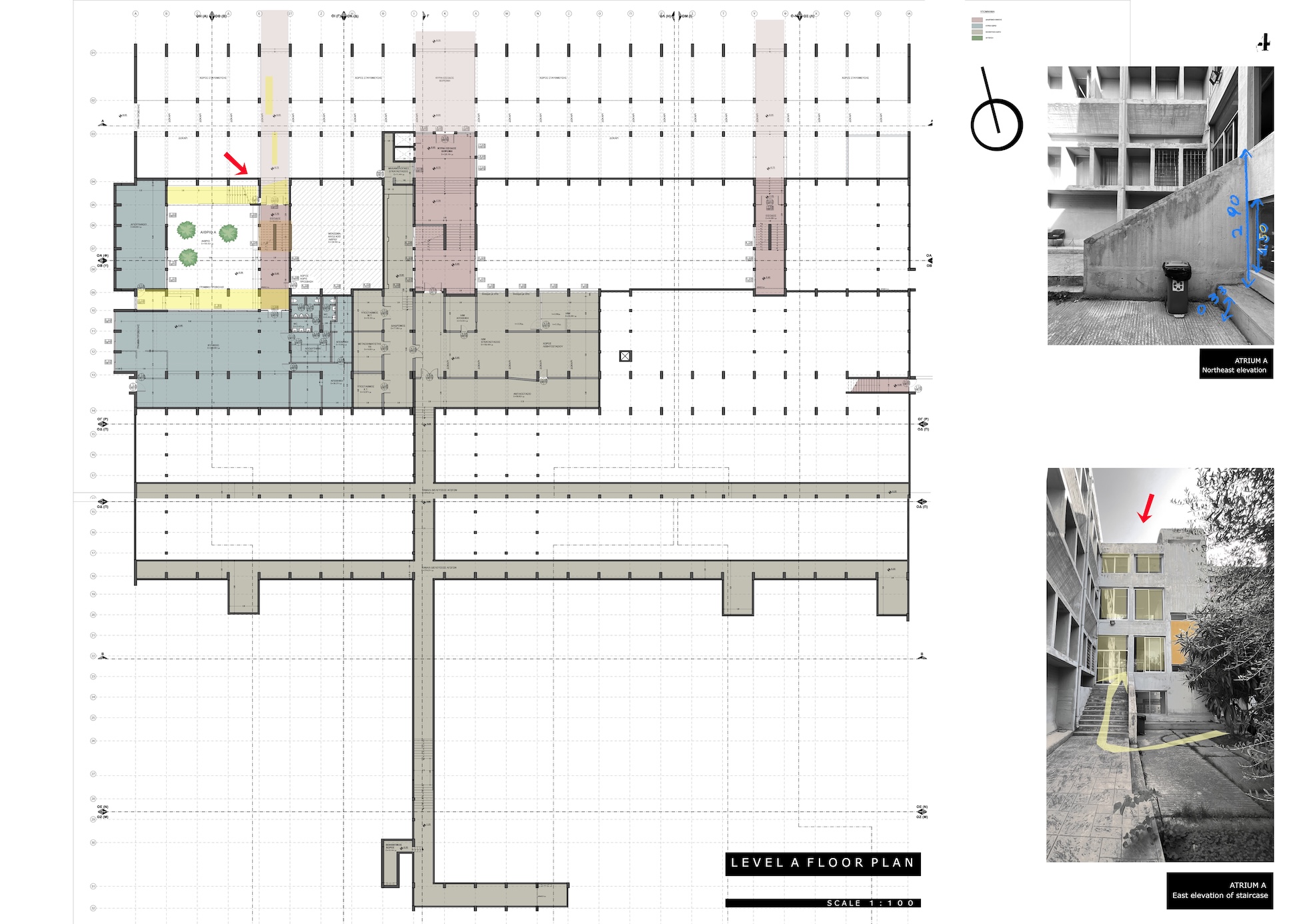
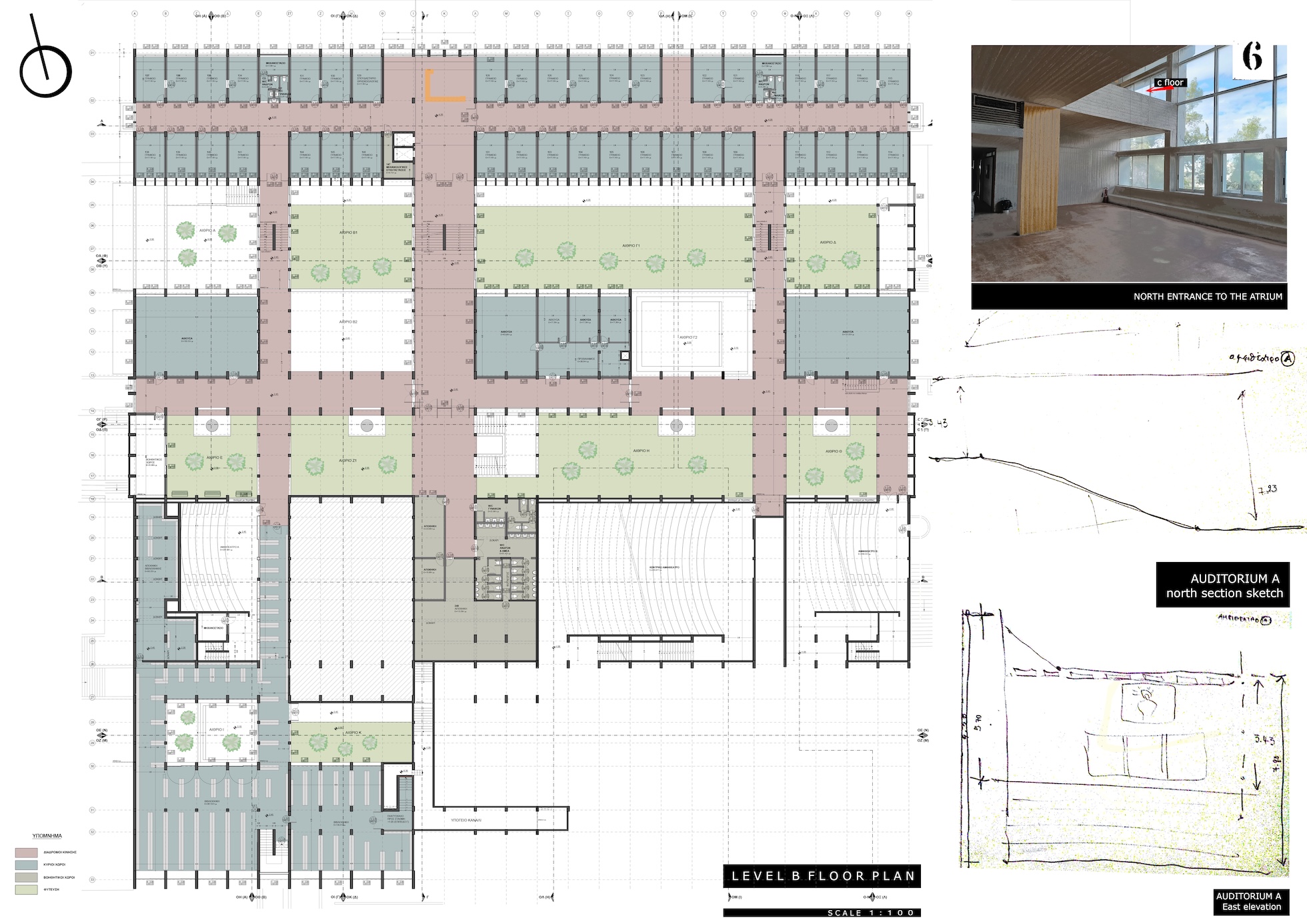
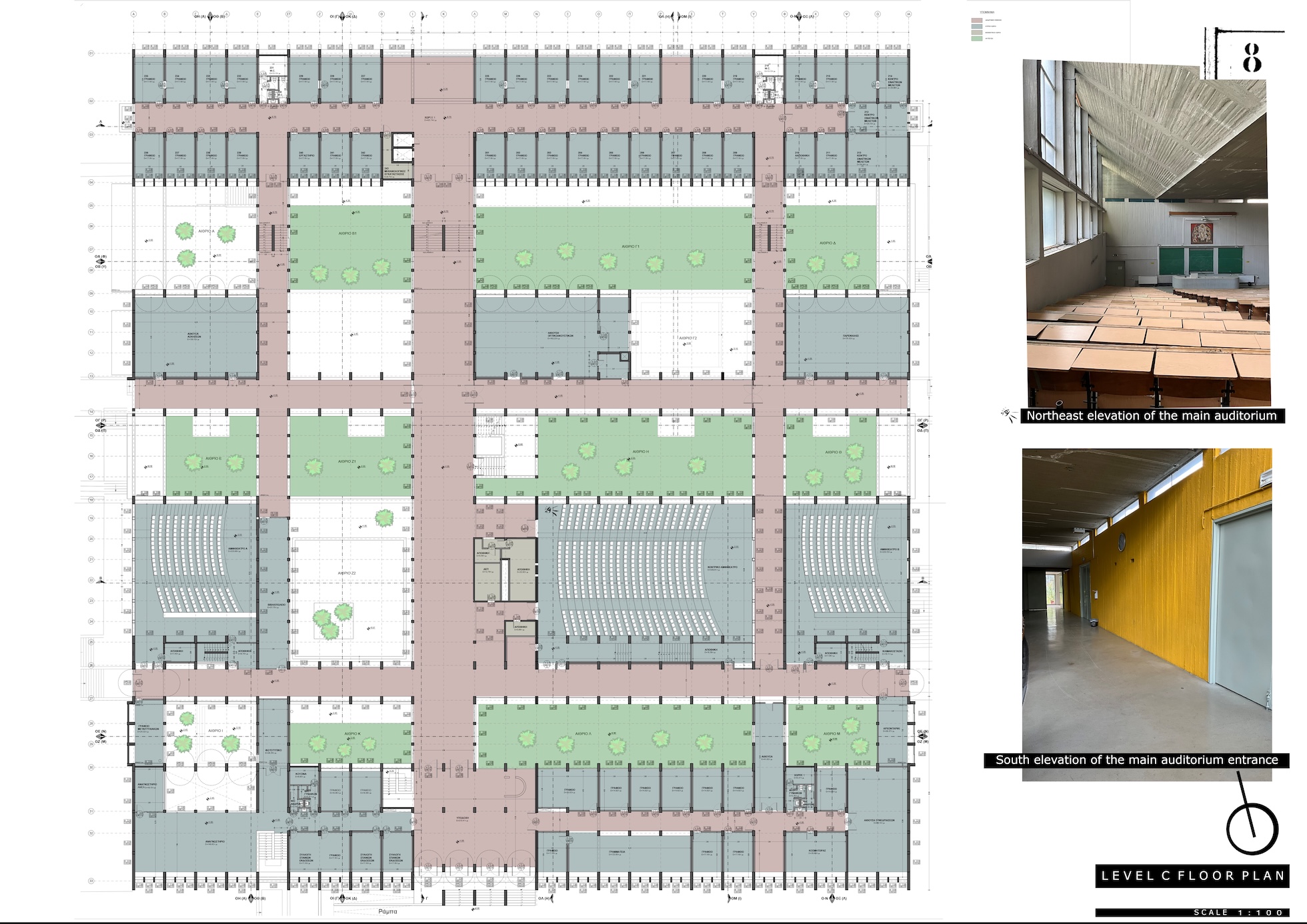
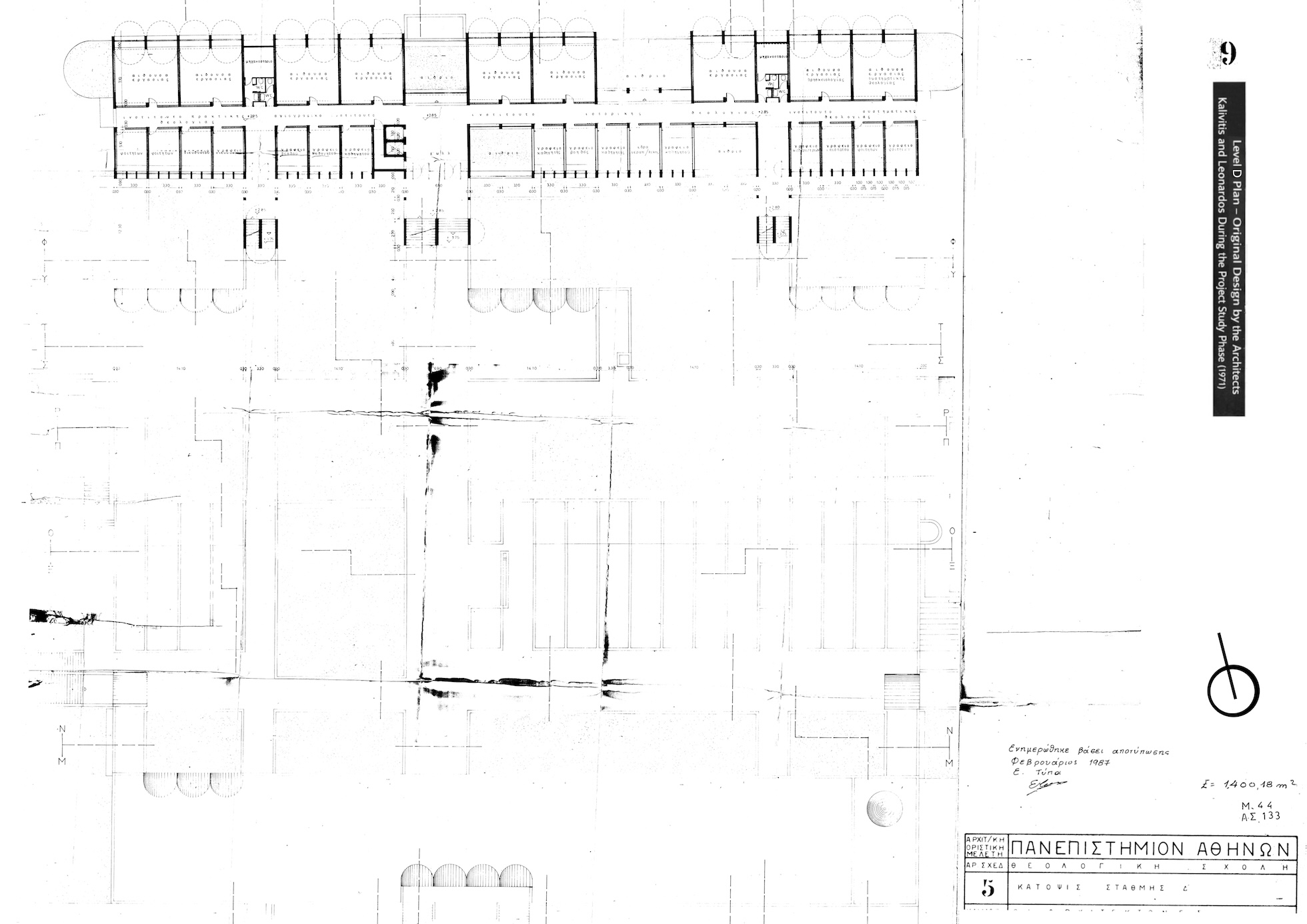
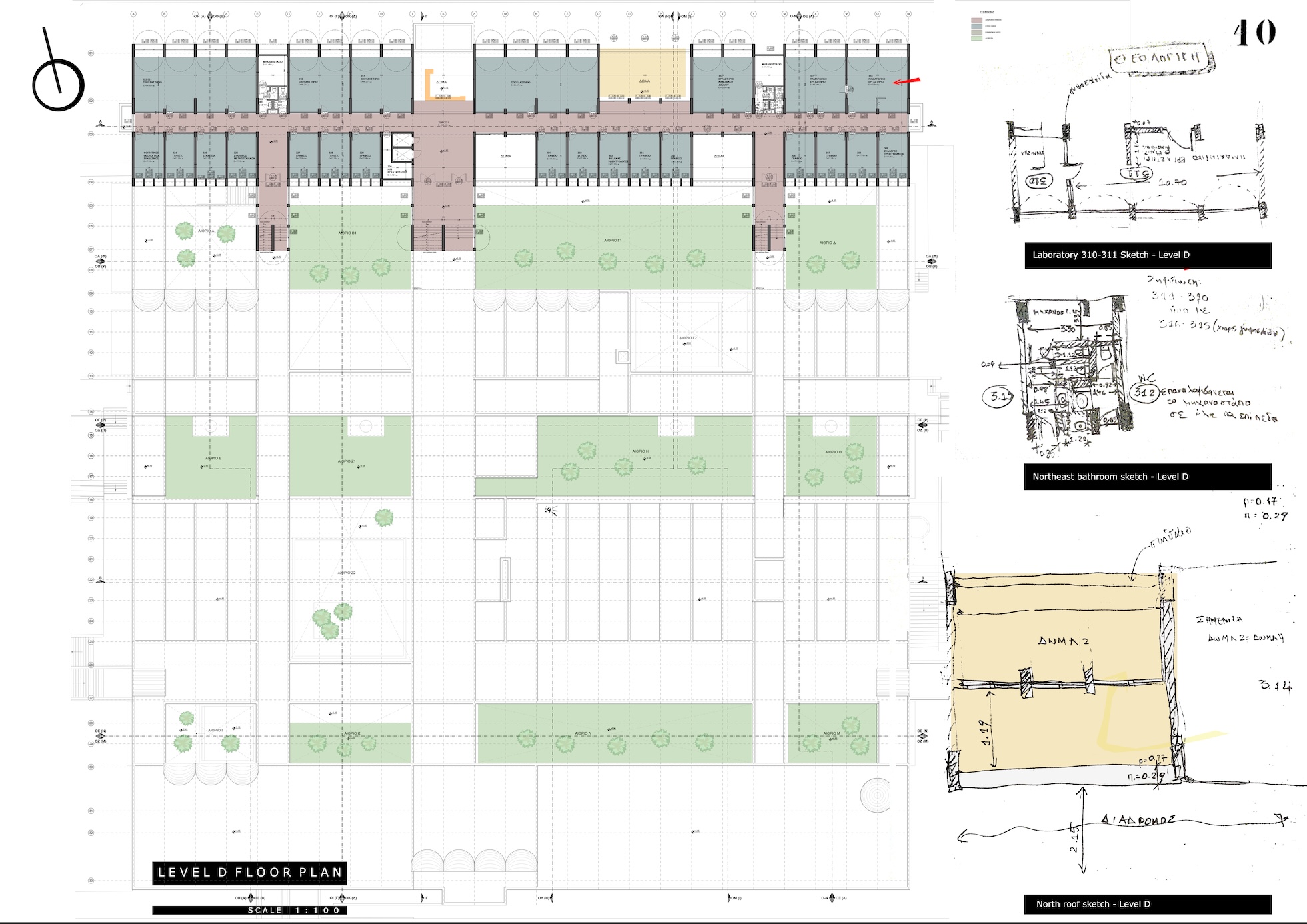
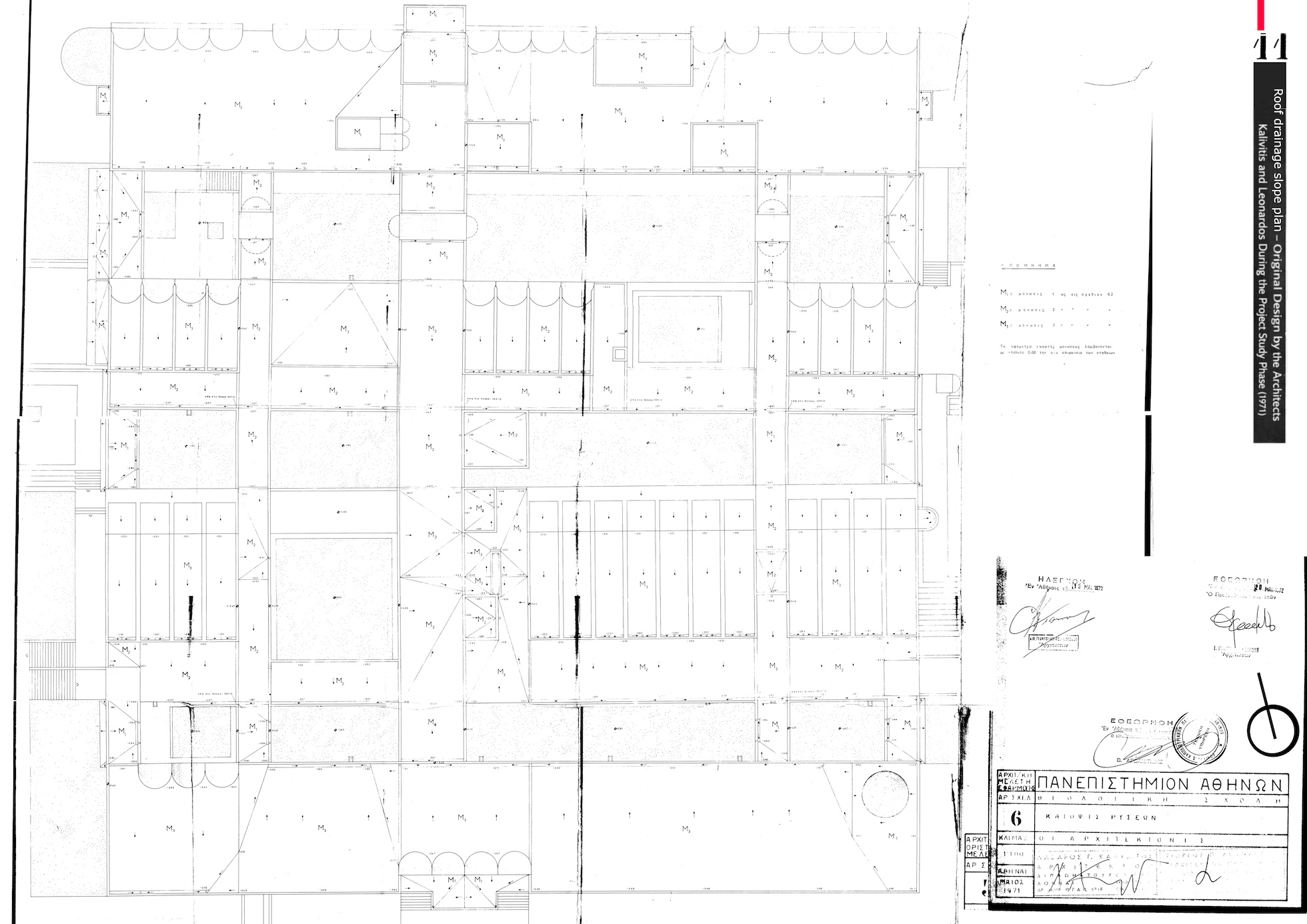
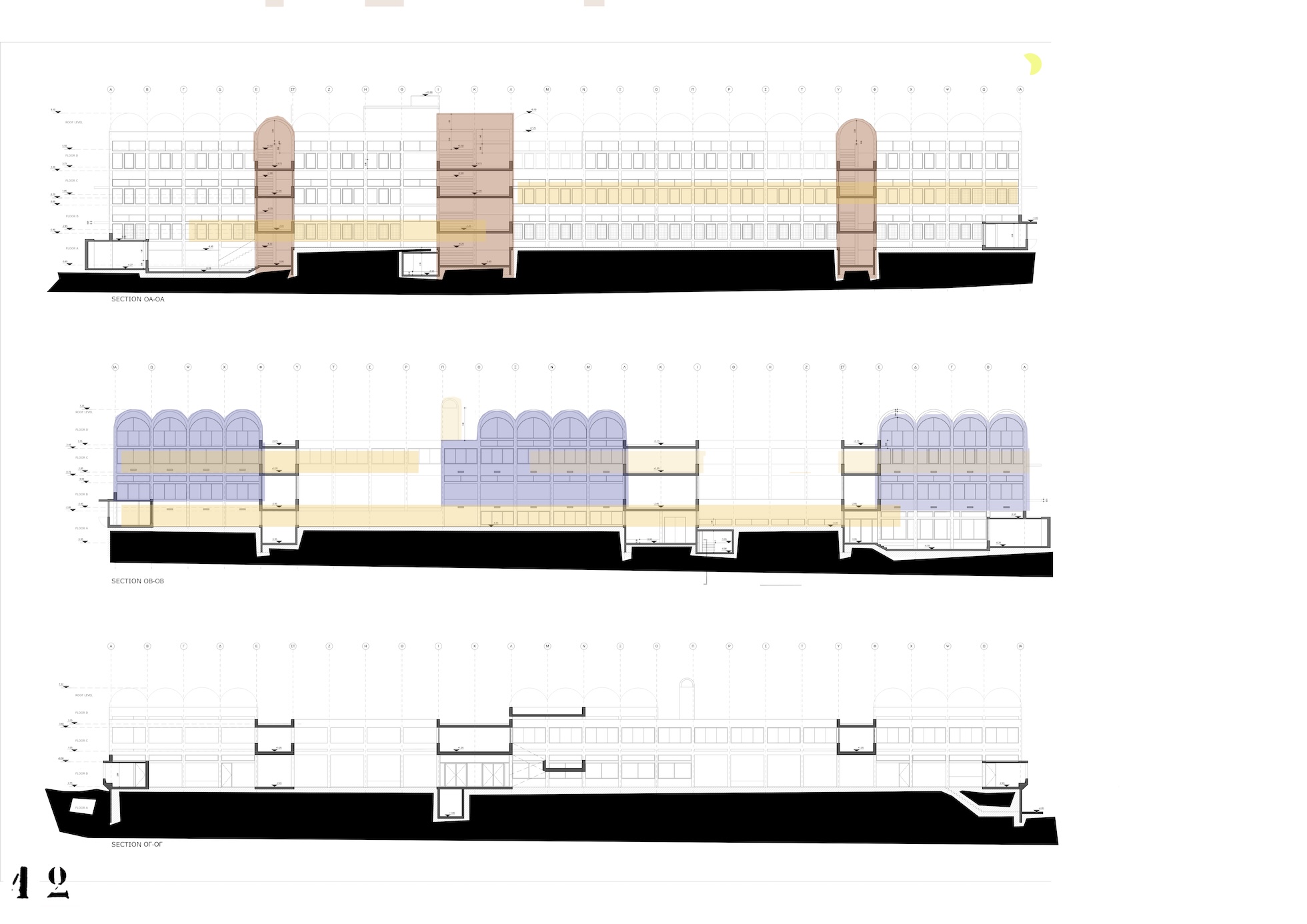
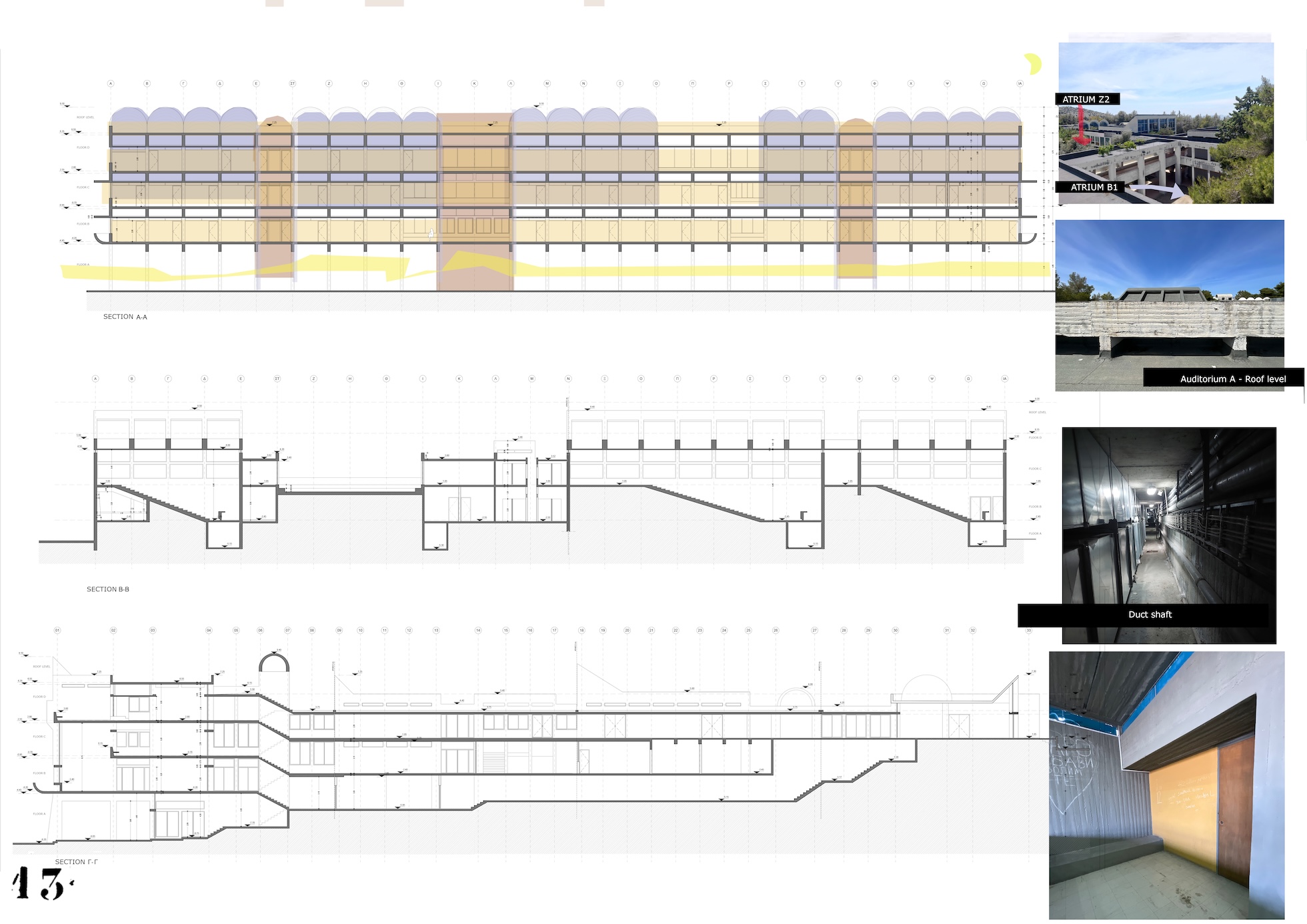
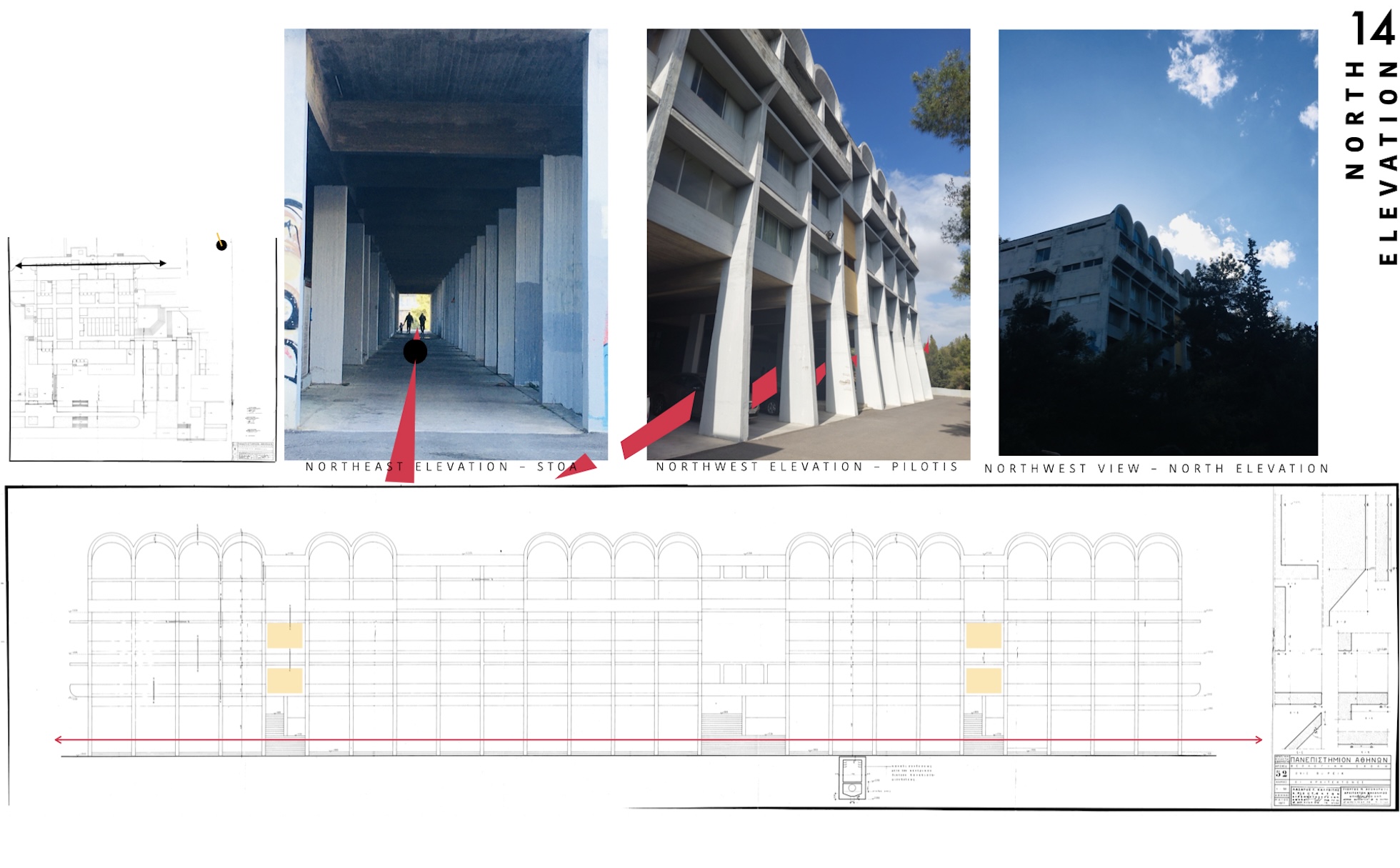
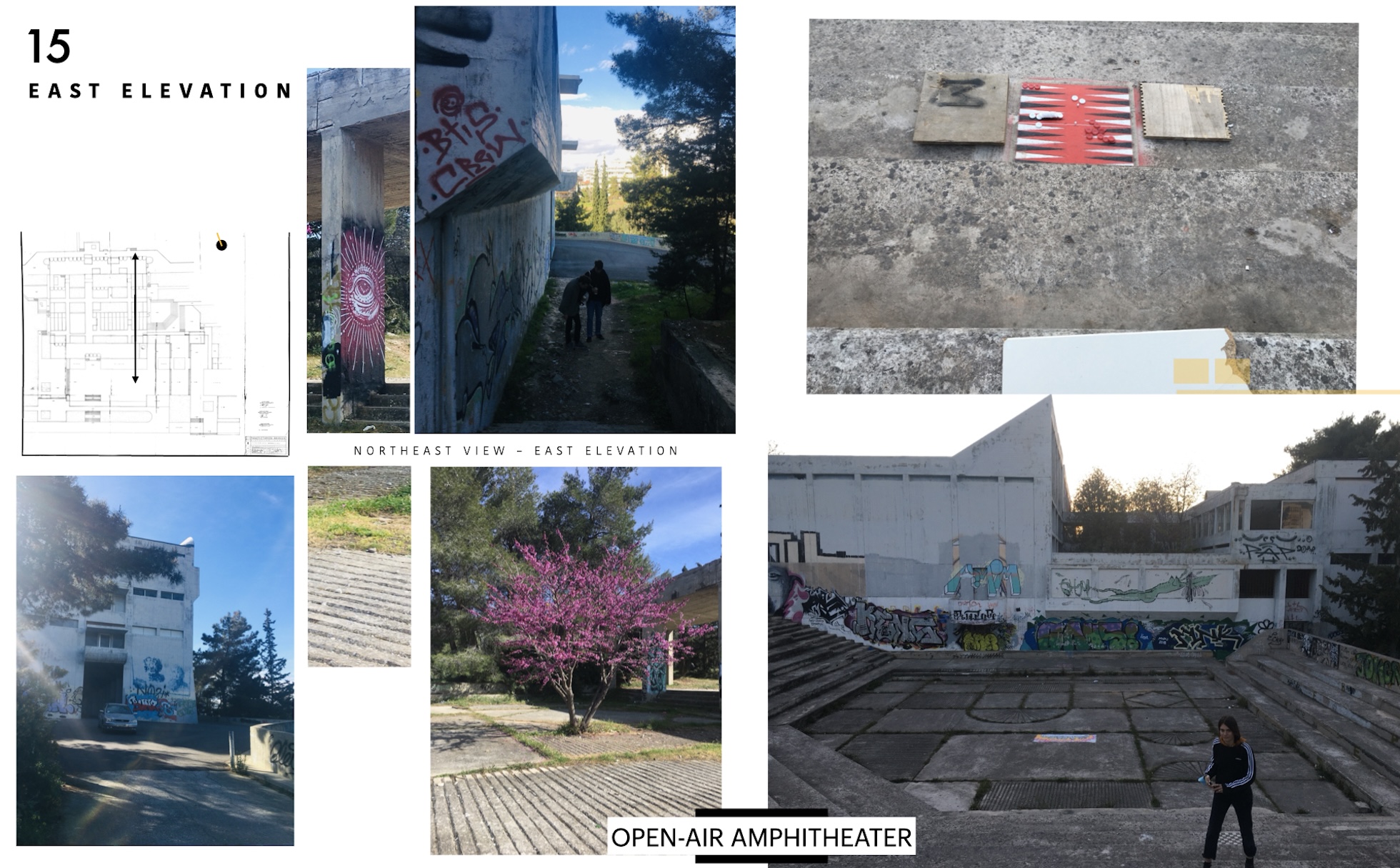
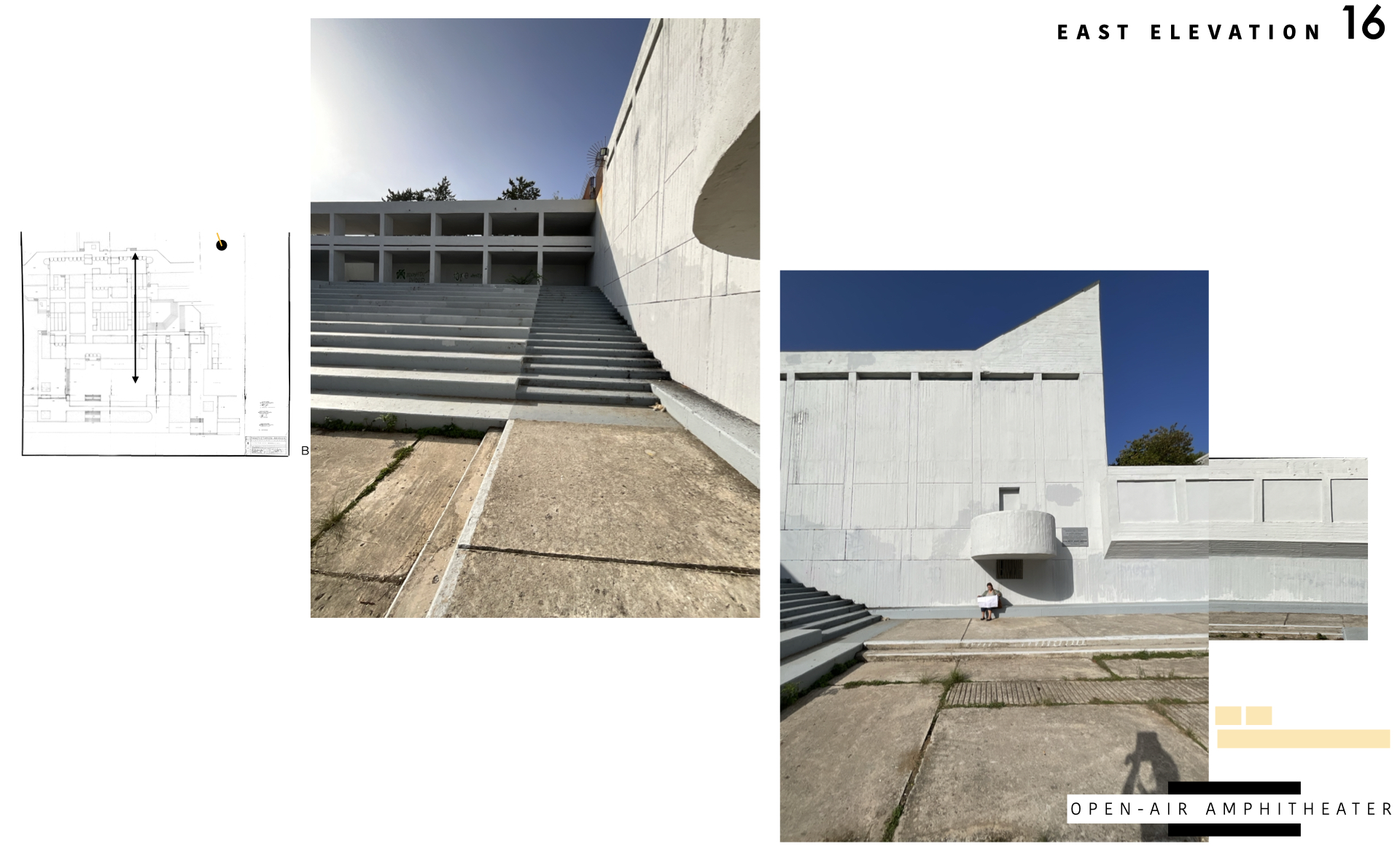
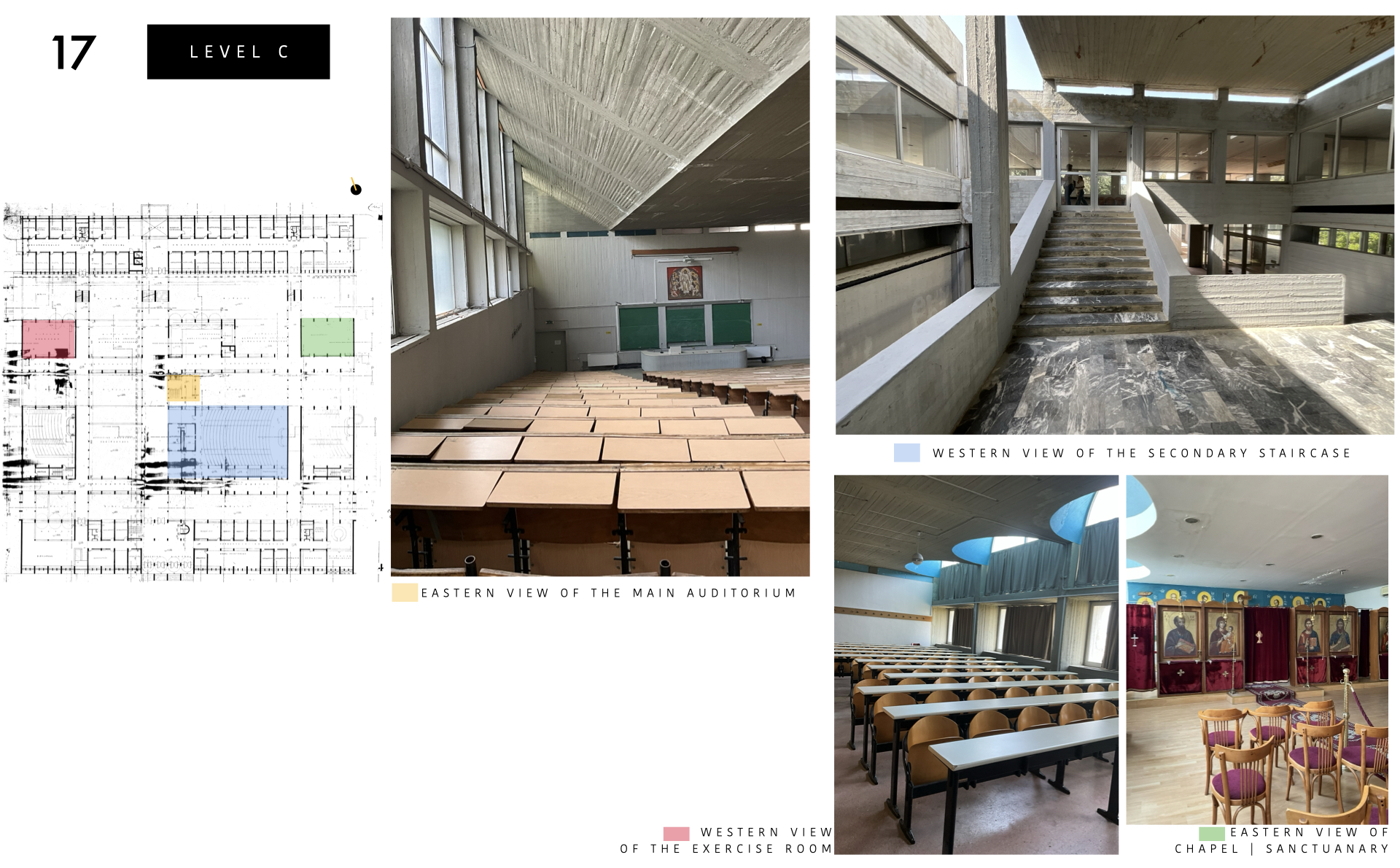
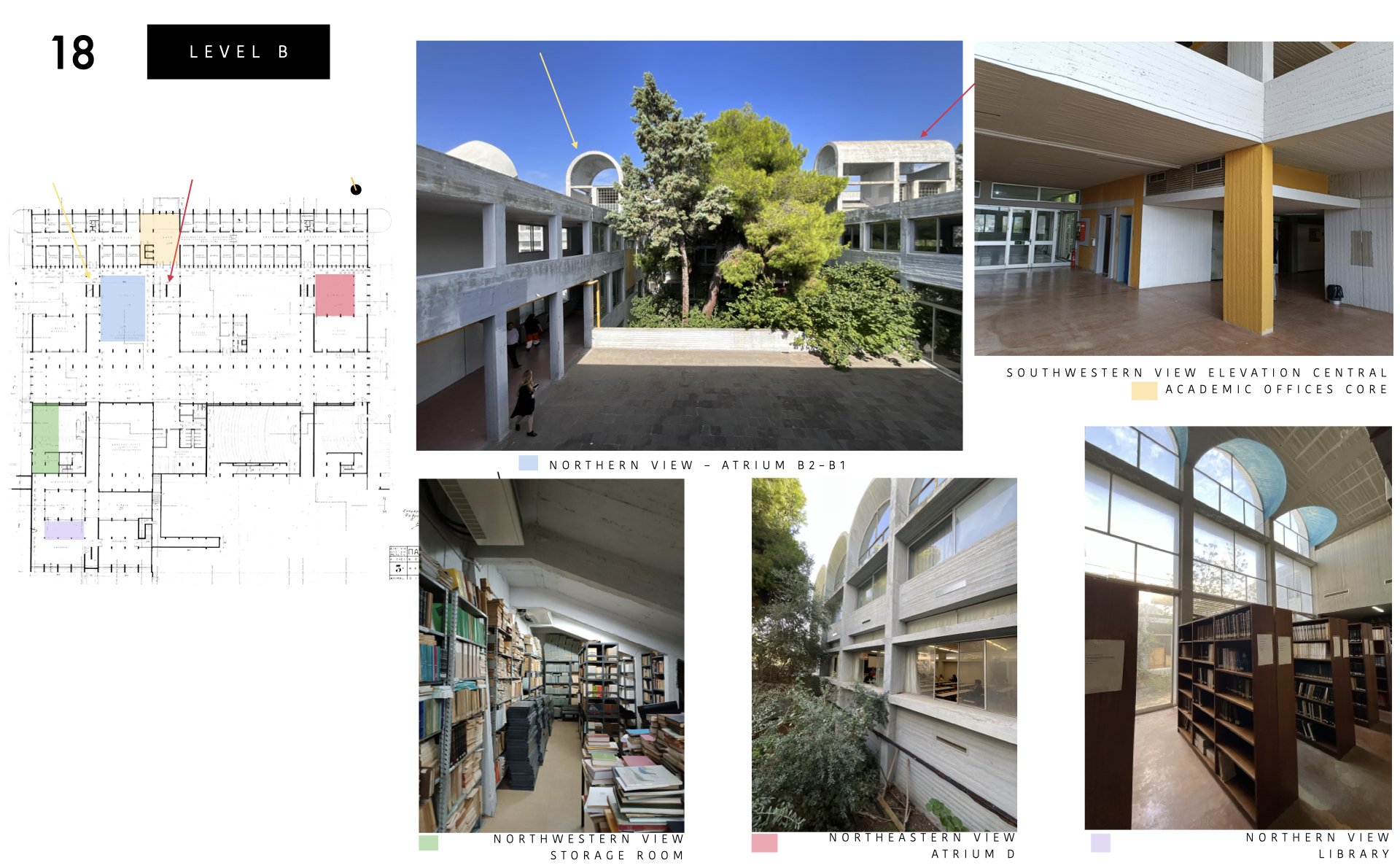
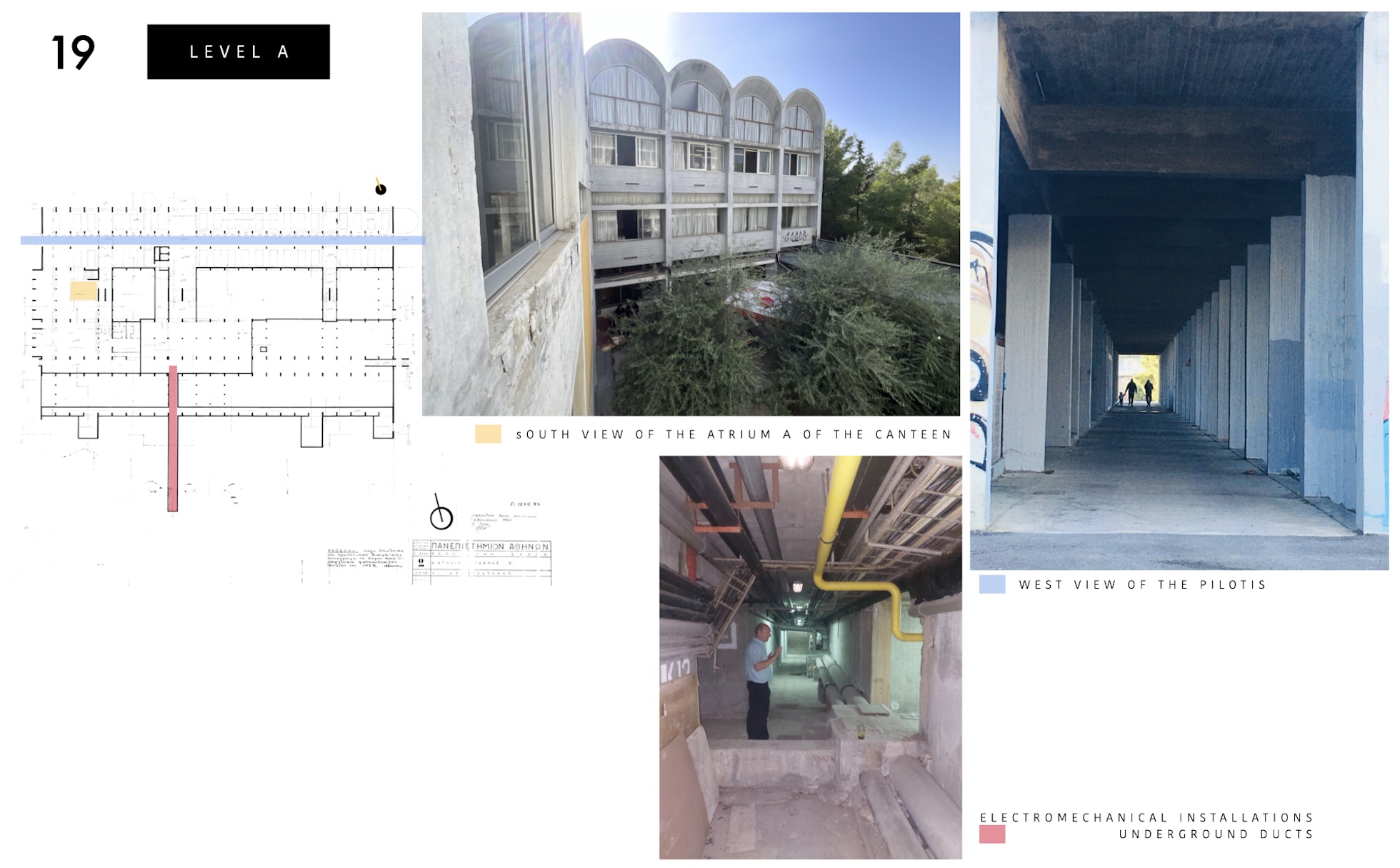
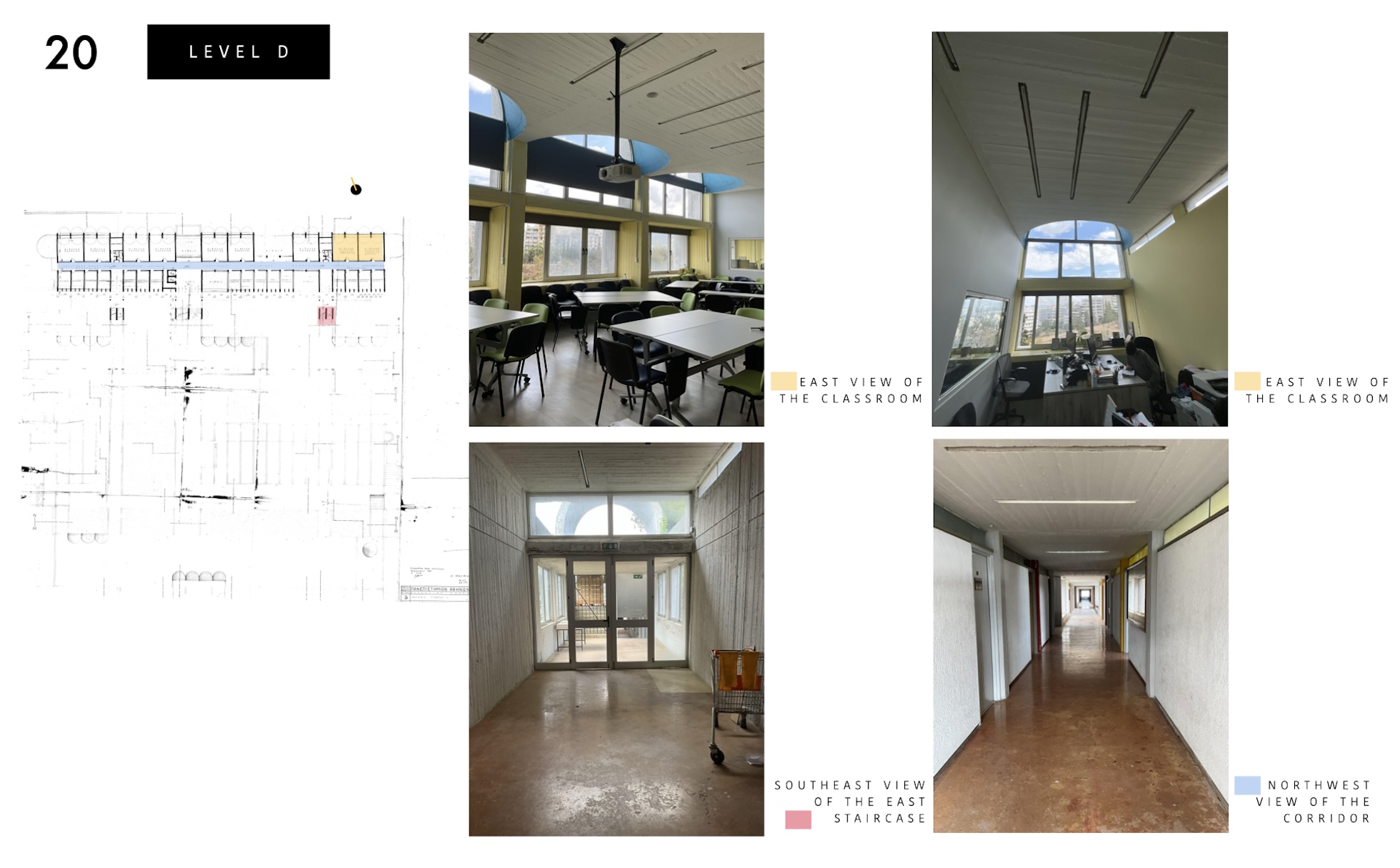
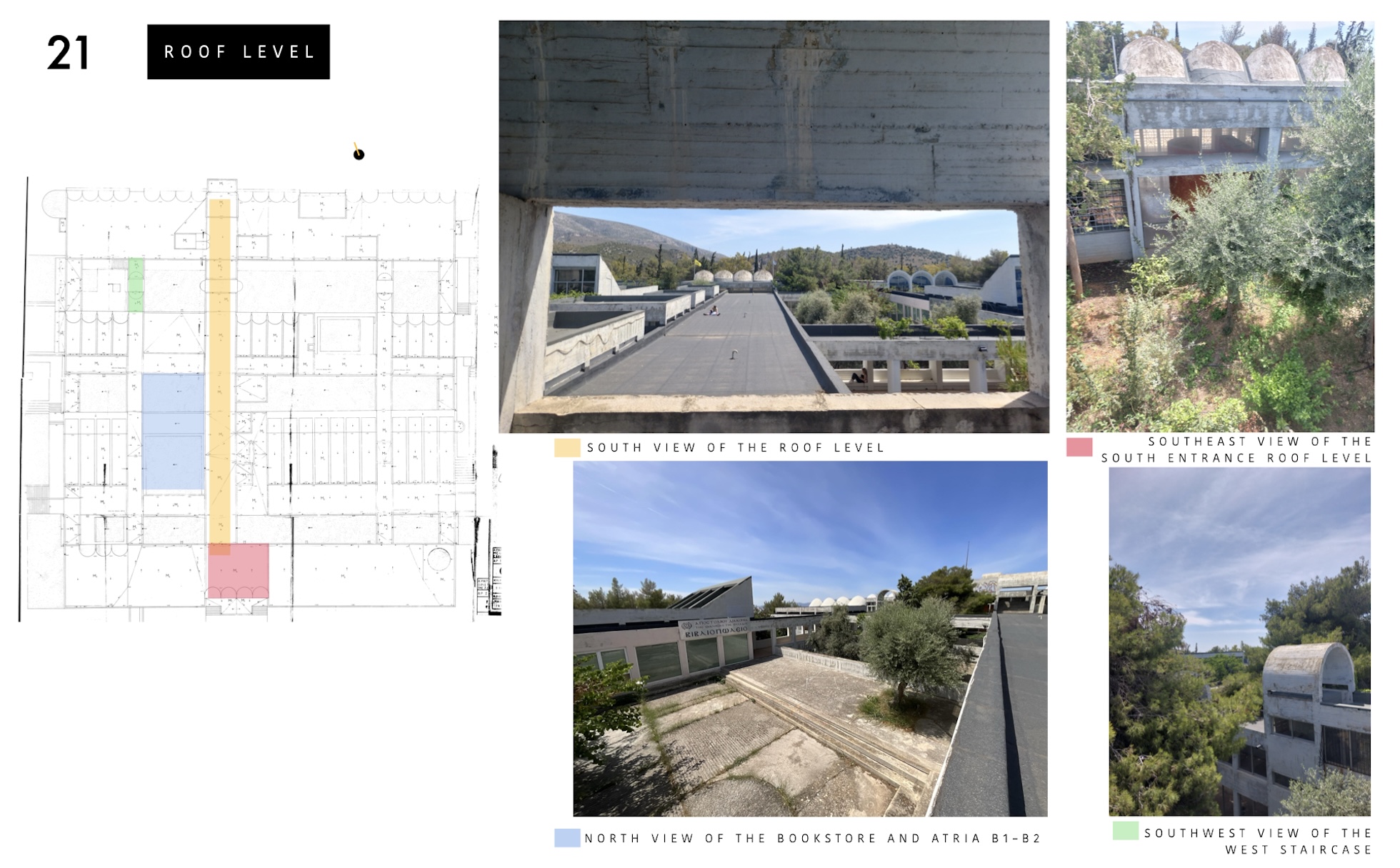
Within the framework of the building’s contemporary technical assessment, a comprehensive architectural survey and as-built documentation were undertaken on behalf of the University’s Technical Services Department. I was responsible for the on-site survey and full geometric documentation of the entire complex, conducting detailed field measurements, producing hand-drawn sketches and analytical site drawings, and compiling a systematic photographic record. The collected data were processed and translated into complete digital drawings, forming the technical basis for the development of the fire protection study and the electrical engineering study. The survey was essential, as the building was in a critical condition and required immediate technical evaluation and the planning of restoration and upgrading interventions.
**Part of an architectural project by Studio 75 architects.
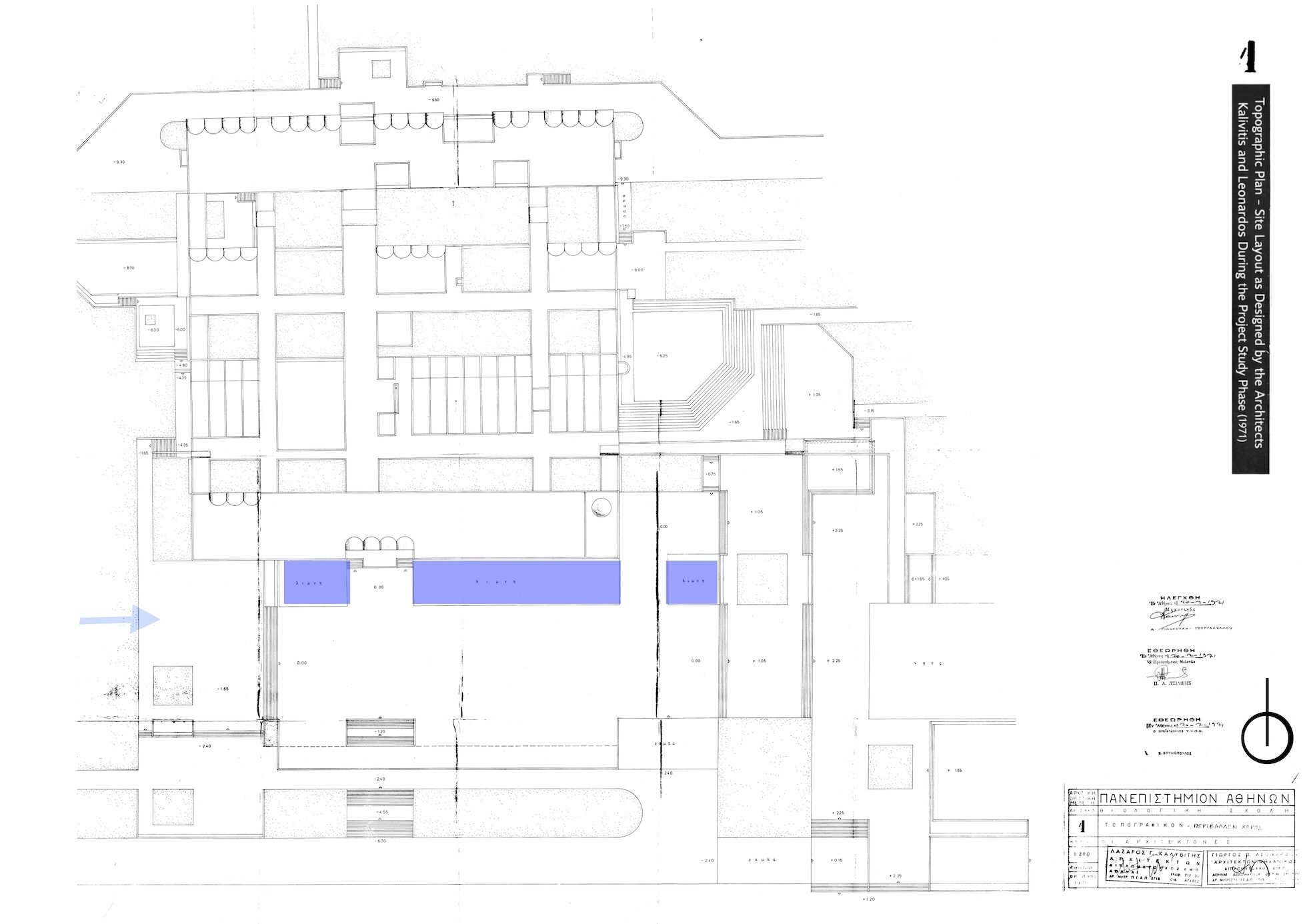
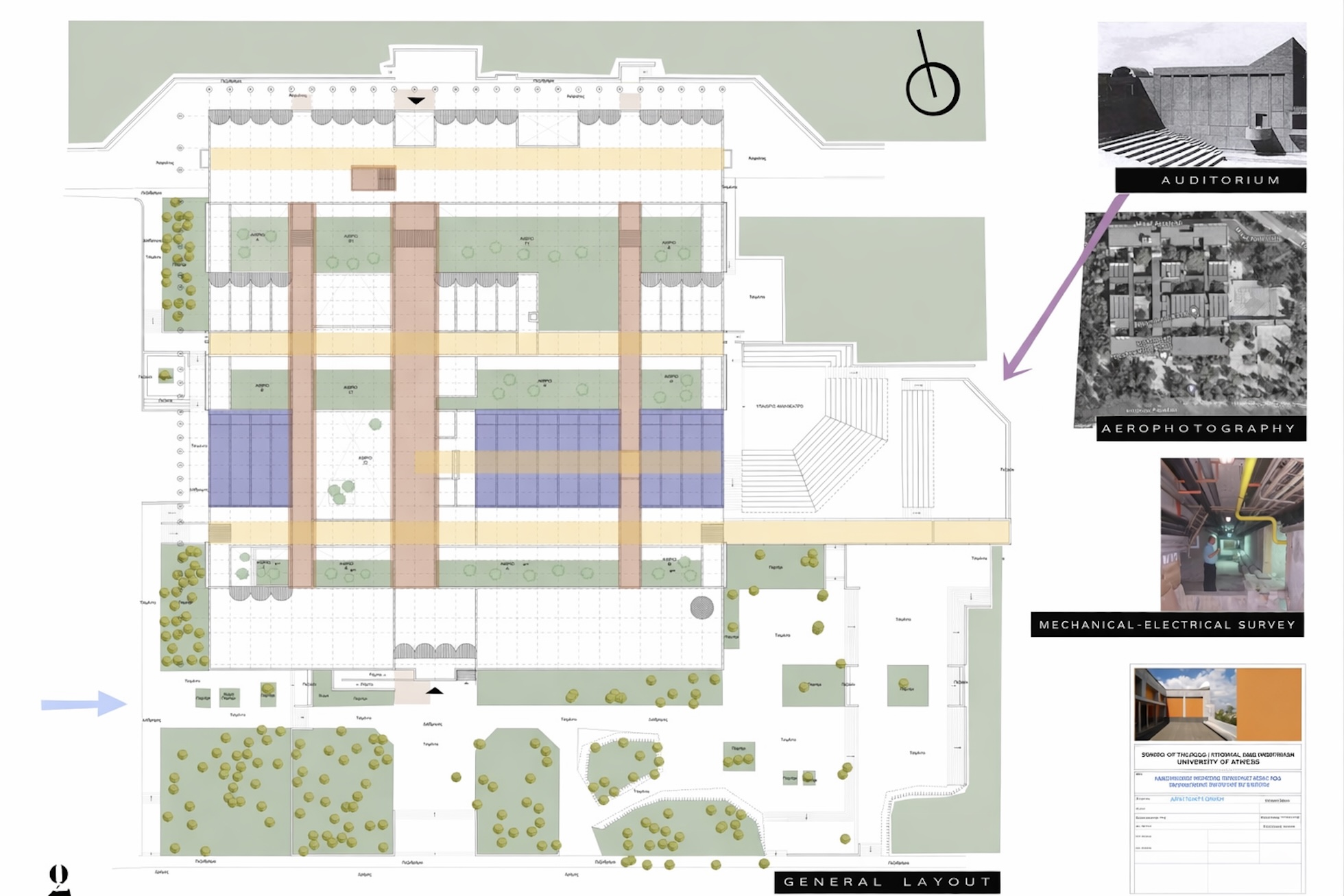
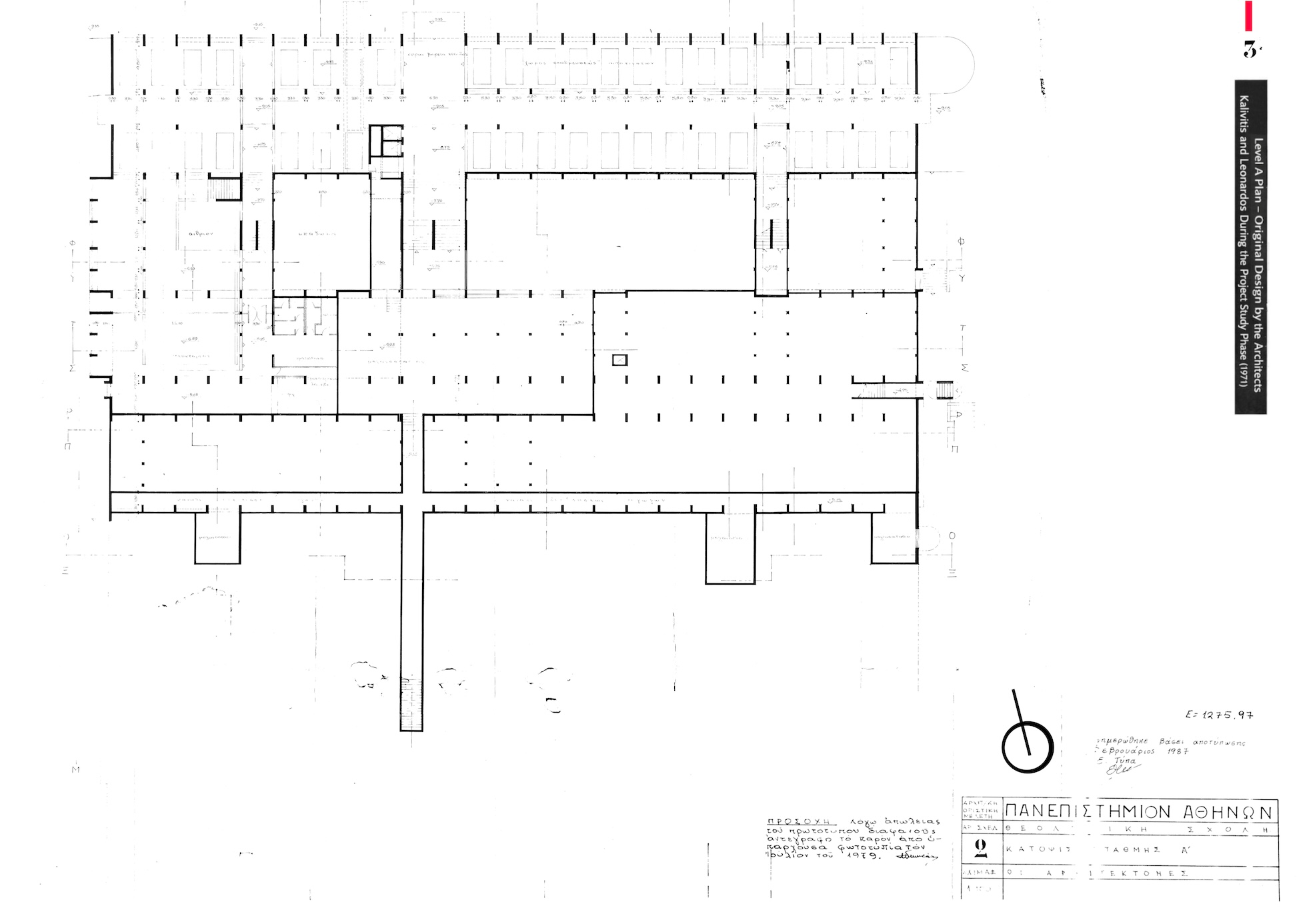
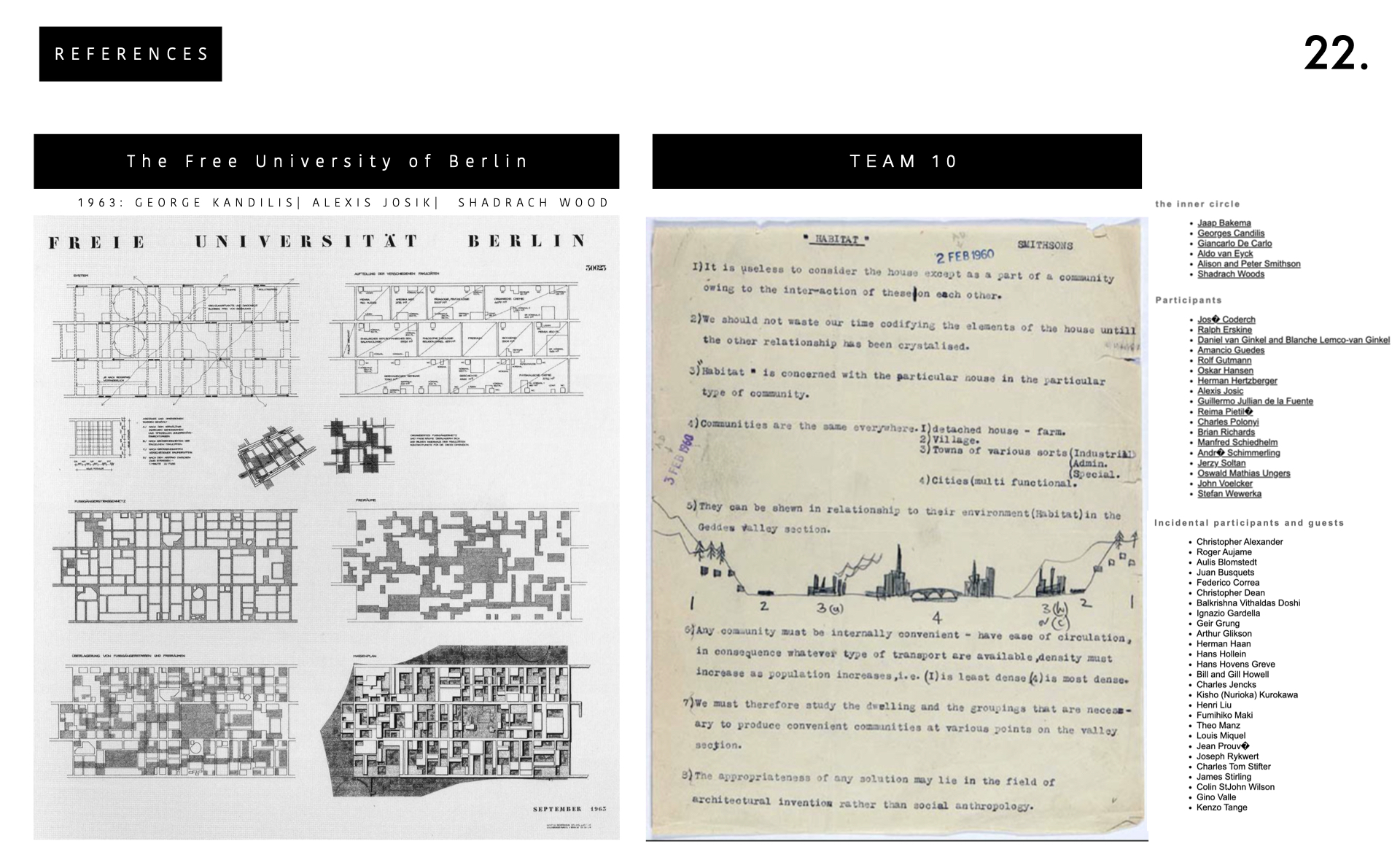
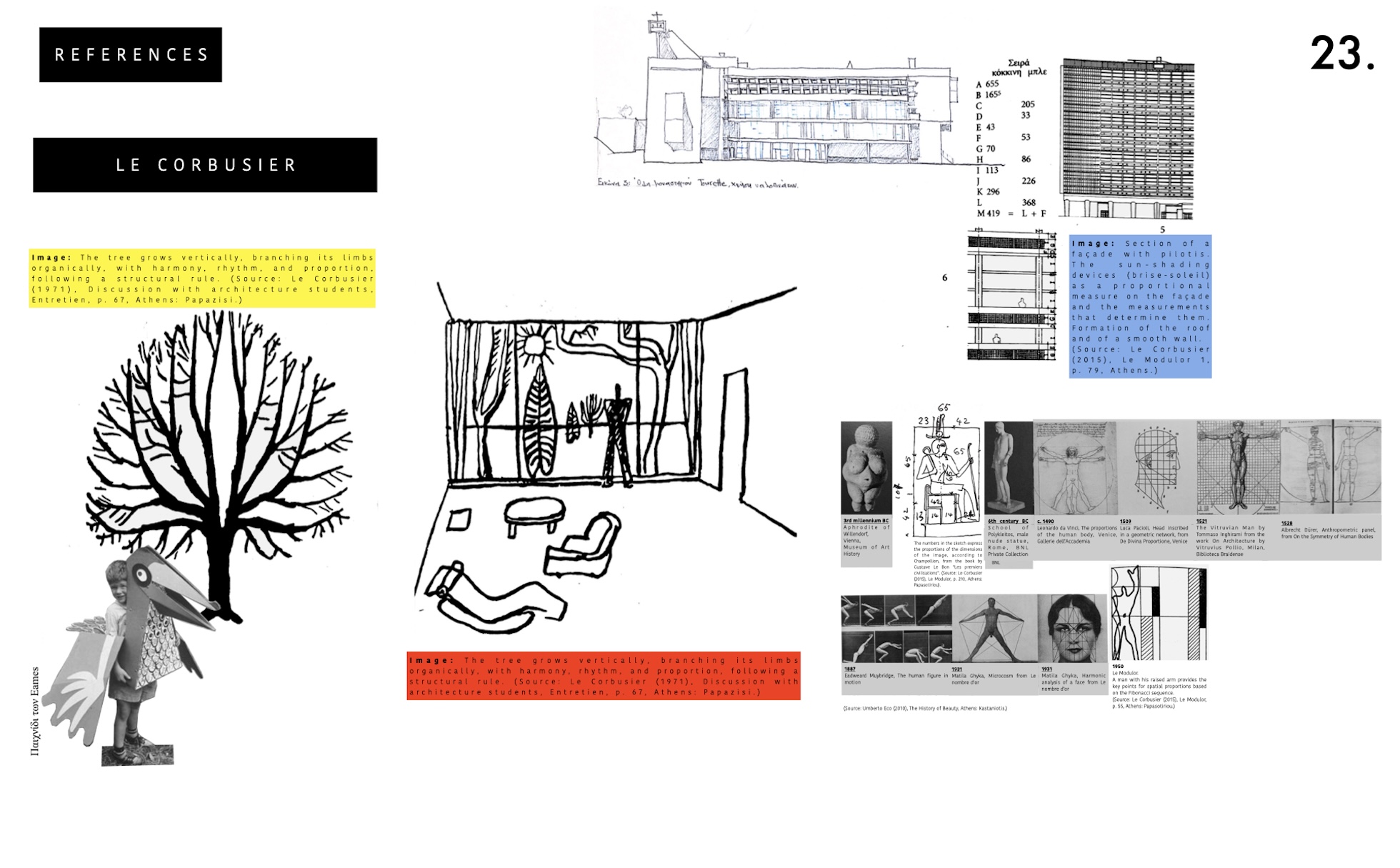
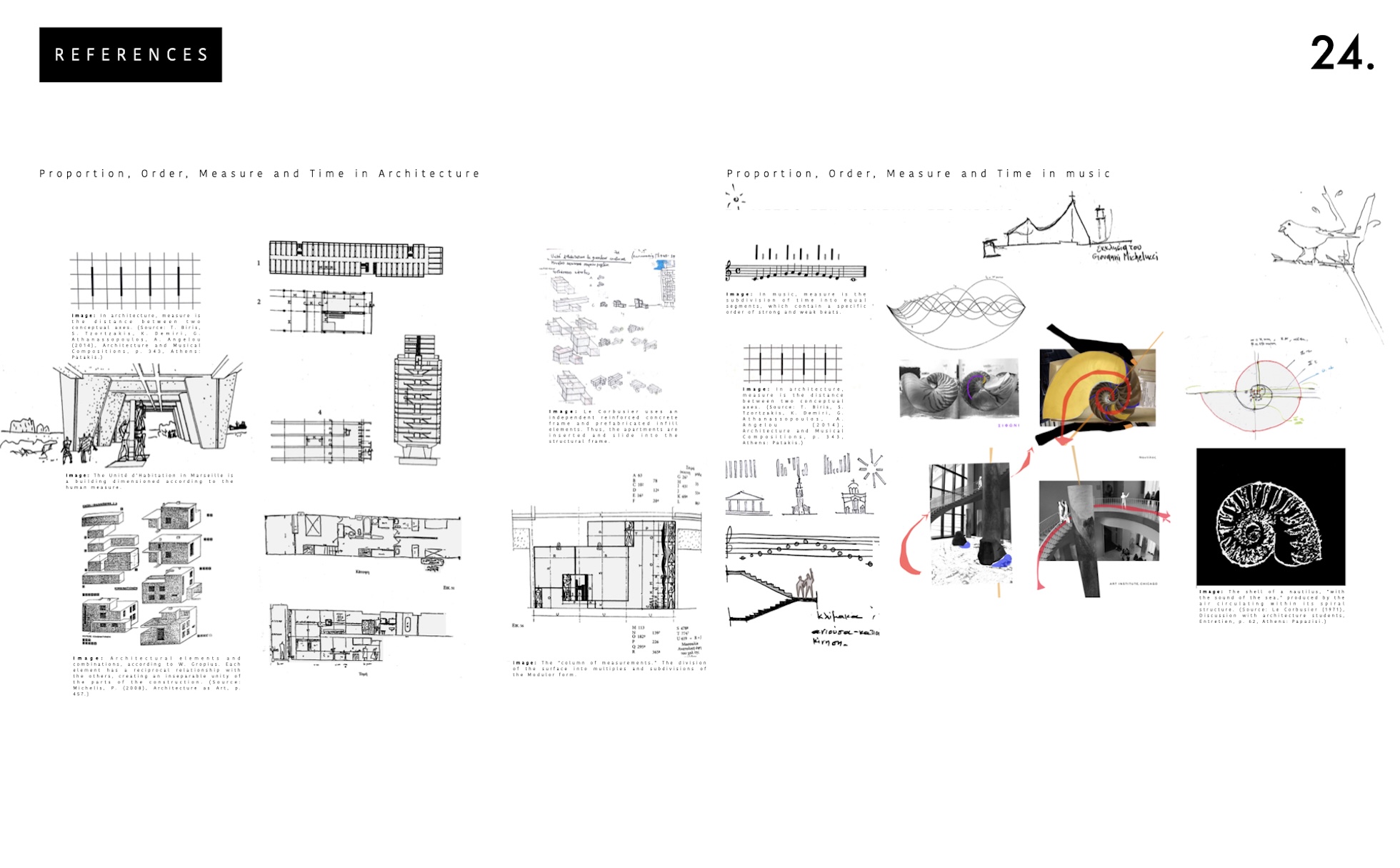
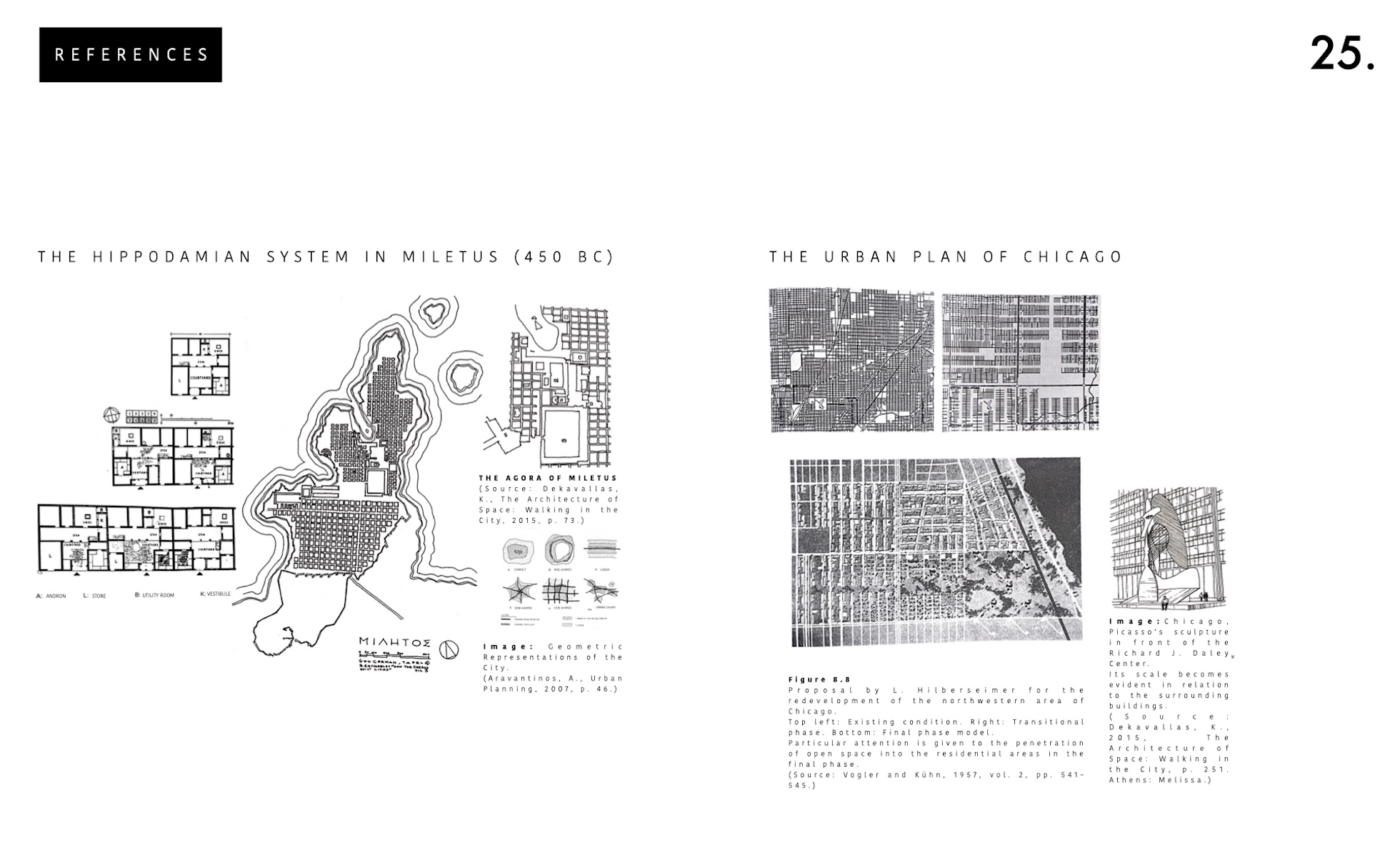
In architecture, the search for references is not merely a research process, but a fundamental way of understanding space itself. What has been shaped in the past constitutes a living legacy of knowledge, experience, and thought. The study of earlier works extends beyond their form or technical resolution; it engages with the deeper logic that generated them, the conditions that shaped them, and the ideas that sustained them. Through this process, we become more conscious, more critical, and ultimately wiser in the way we perceive and compose space. Architecture never begins from zero; it evolves through an ongoing dialogue with the past. :))
©2026 Natalia Kesente